
Of all the ways to heat water with electricity, a heat pump unit is by far the most efficient. Instead of relying on heating elements alone, it uses a compressor, refrigerant, and a fan to harvest heat from surrounding air and move it into the tank. Moving heat costs far less energy than creating it, so these hybrids regularly post Uniform Energy Factor ratings of about 3 to 4, while a conventional electric tank sits just under 1. Here in Hammond, IN, that gap has pushed plenty of homeowners to replace a worn electric tank with a hybrid instead of another standard model.
Placement matters more for a heat pump water heater than for any other type. The unit draws heat from the air around it, so manufacturers generally want around 700 cubic feet of open space, or ducting to borrow air from a larger area when the utility closet is tight. As it runs, it cools and dehumidifies the room, a bonus in a humid basement or hot garage and a drawback in a small, already chilly space. Compressor operation has a comfortable range: in a space that drops near freezing, the unit switches to its electric elements and the efficiency advantage shrinks for those hours. Add a condensate line that must drain by gravity or pump, a fan and compressor that make about as much noise as a dishwasher, and a dedicated 240-volt circuit on most models, and you can see why the site survey matters as much as the brand.
Once the unit is in place, mode selection and sizing decide the monthly bill. Heat pump only mode squeezes out the most efficiency; hybrid mode lets the elements help during heavy draws; high-demand mode leans on the elements for guests or big laundry days. Since the compressor heats at a gentler pace than resistance elements, we often size a hybrid slightly larger than the tank it replaces so the backup elements rarely switch on. Installation includes the drain pan, a tested condensate route, a correctly sized circuit and breaker, code-required items like an expansion tank where applicable, and a walkthrough of the controls. Incentive programs, from utility rebates to federal tax credits, cover many qualifying models; we will point you to the ones to look into, though final eligibility is always up to the program. Call (219) 202-9978 to plan a hybrid water heater for your Hammond home.
Our most requested service is Water Heater Installation in Hammond. That's the place to start for most homes.
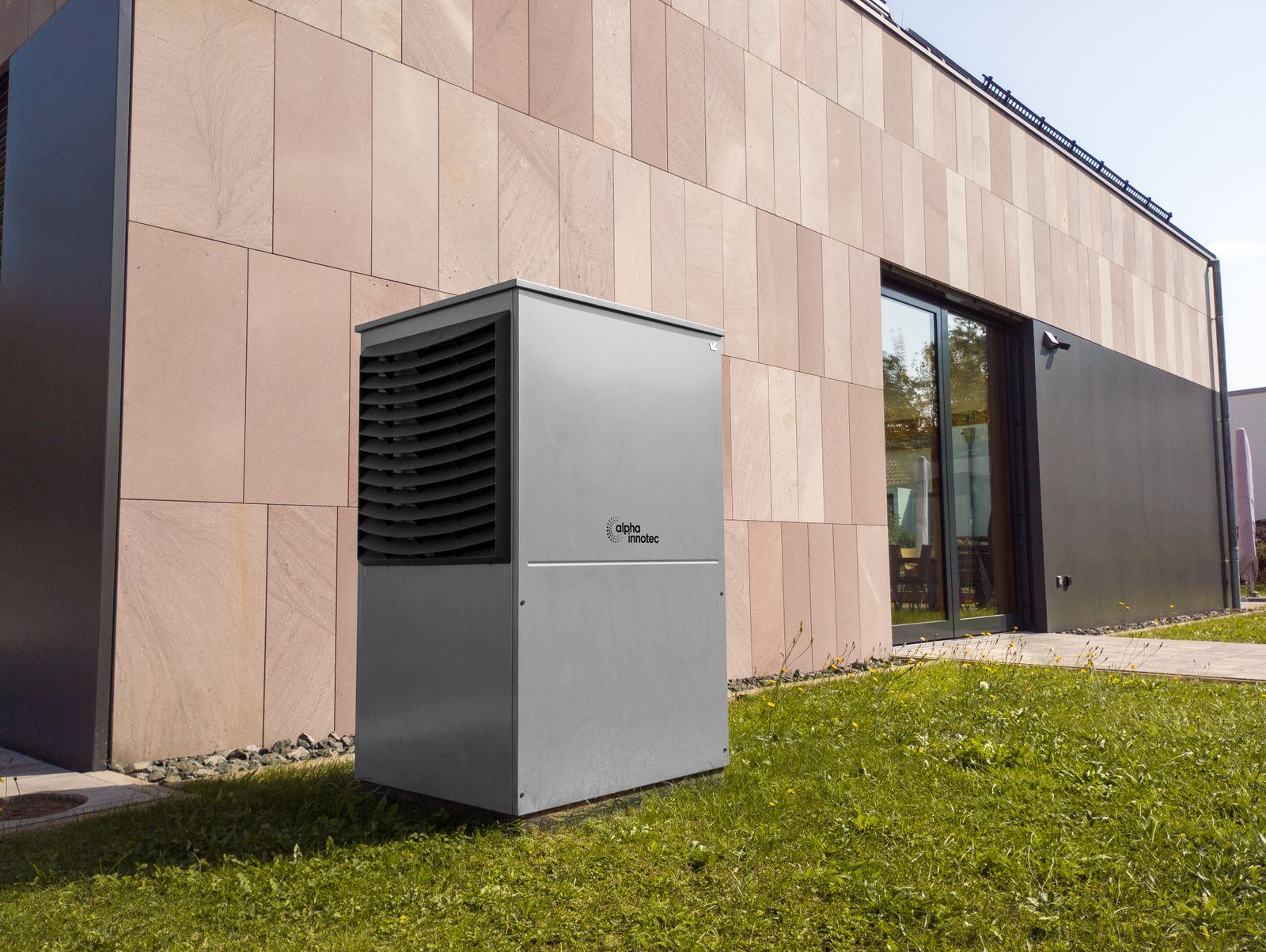
When to Call for Heat Pump Water Heaters
Most tanks announce trouble weeks or months ahead with rumbling noises, rusty water, or hot showers that keep getting shorter. Keep an eye out for the following:
- A garage or attic-adjacent room that stays warm most of the year
- Curiosity about incentive programs for qualifying water heaters
- A roomy mechanical area rather than a cramped closet
- Humidity problems in the space where the water heater sits
- Your electric tank is past the ten-year mark and you would rather plan than wait for a leak
- Rooftop solar that pairs well with efficient electric appliances
- High electric bills in a household that uses a lot of hot water
- A 240-volt circuit already in place from your current electric heater
A Slow Leak Never Stays Slow
Left alone, even minor symptoms like rumbling or temperatures that swing from hot to warm tend to mean the heater is working its way toward a breakdown. A quick call to (219) 202-9978 gets a technician out to check it before it becomes an emergency.
Talk to Us About Heat Pump Water Heaters
We'll diagnose the problem and give you a straight answer on the fix.
Get Help: (219) 202-9978What Homeowners Ask Us Most
What a Trained Technician Brings to the Job
A heat pump water heater is more than a tank swap. It is a plumbing appliance, an electrical appliance, and a small refrigeration system at once. The plumbing has to include a relief valve line to an approved spot and an expansion tank when the system is closed. The circuit has to match the manufacturer's requirements, which may differ from the tank it replaces. And the room has to supply enough air, or the compressor starves and the unit quietly leans on its elements. That last point is the one most often missed, and it turns an efficient appliance into an expensive standard heater.
The install itself has its own demands. A filled 65 or 80 gallon tank is extremely heavy, the unit is taller than most standard heaters, and condensate needs a route that will not overflow onto a finished floor. Switching from gas adds capping the gas line, removing or sealing the old vent, and running new power. Refrigerant repairs on the sealed system call for specific training and recovery equipment. Our experienced technicians plan all of it from the first visit, set up the modes before they leave, and give you the product details you need for any rebate or tax credit paperwork, without promising what a program will pay.
Step by Step: How a Visit Works
We follow the same careful process on every water heater, whether it's a quick thermostat swap or a full tankless conversion. Here's a look at each step our team takes:
Site Survey
Before anything else, we look at where the unit will live: air volume, winter temperatures, a drain path for condensate, noise near bedrooms, and panel capacity.
Choosing the Unit
We size the tank to how your household actually uses hot water, keeping in mind that compressor recovery is slower than an element's.
Install Day
The old tank is drained and removed, the hybrid is set in a drain pan, and we connect water, power, the relief valve discharge, and a condensate line to a drain or pump.
Controls and Handoff
We fill and purge the tank, confirm the compressor runs and the condensate drains, set a safe temperature, and choose the mode that fits your routine.
How to Prevent Water Heater Problems
Routine maintenance is almost always cheaper and easier than an early replacement. Here's where to begin:
- Ask for an anode rod check during maintenance visits
- Clean the air filter on top of the unit every few months so the compressor can breathe
- Do not store solvents or run a dusty workshop right next to the unit
- Put the unit in vacation mode whenever the house will sit empty for a while
- Flush the tank once a year to clear sediment, just as you would with a standard heater
- Check that condensate is reaching the drain and the pan stays dry
- Leave clear space around the intake and exhaust instead of stacking storage against them
DIY vs. Professional Heat Pump Water Heaters
Relighting a pilot by following the label is one thing. Diagnosing a gas valve, a burned-out element, a dirty flame sensor, or a tankless error code calls for meters and know-how that a pro brings. A side-by-side look:
| Factor | Doing It Yourself | Hiring a Pro |
|---|---|---|
| Placement | Space never measured | Room sized and assessed for airflow |
| Wiring | Circuit left unchecked | Breaker and wire sized correctly |
| Condensate | Pump skipped where one is needed | Pan and drain line installed together |
| Tank Capacity | Chosen from the shelf price | Sized for peak demand and recovery |
| Settings | Stuck in electric mode | Mode set to fit your routine |
| Code Items | Local requirements unknown | T&P discharge, pan, and expansion tank handled |
Let's Get Your Hot Water Back
Cold showers and damp floors don't get better on their own. Hammond Water Heater can have a technician headed your way soon.
Get Help: (219) 202-9978Heat Pump Water Heaters Near Hammond
We serve Hammond and its neighboring towns for heat pump water heaters, from quick same-day repairs to planned installs.