
A standard electric tank has two elements and two thermostats that take turns instead of heating at the same time. The upper thermostat has priority: it heats the top of the tank first, then hands power down to the lower element, which does most of the day-to-day work. A high-limit switch (the red reset button above the upper thermostat) cuts power if the water ever overheats. That arrangement makes symptoms a real clue. No hot water at all usually points to the upper element, the upper thermostat, a tripped high-limit, or the breaker. Hot water that runs out quickly usually means the lower element or lower thermostat has quit. In Hammond, IN, we see all of these every week.
Resetting a tripped red button or swapping an element blindly rarely solves the problem for long. Our approach in Hammond homes is to test the whole circuit. We confirm the breaker and the 240-volt supply, measure the resistance of both elements, check each element for a short to ground, and verify that each thermostat opens and closes as it should. We also inspect the wiring at the junction box and thermostat terminals for heat damage. A high-limit that keeps tripping almost always has a reason, such as a thermostat stuck closed or a grounded element, and we find it so the button stays set.
Most electric water heater repairs are finished in one visit. We replace burned-out elements (draining the tank first and refilling it completely before power goes back on, since an element energized in open air burns out in seconds), replace upper and lower thermostats and high-limit switches, repair scorched wiring and loose connections, and flush out sediment that is burying the lower element. When the tank is leaking or the heater has passed about twelve to fifteen years, we tell you honestly and walk you through replacement. New installations include confirming that the circuit, breaker, and wire size match the heater, plus an expansion tank, drain pan, and seismic straps wherever code calls for them. We can also talk through a heat pump water heater if lower operating costs appeal to you. Call (219) 202-9978 for electric water heater service in Hammond.
What homeowners call us about most is Water Heater Repair in Hammond and Water Heater Installation in Hammond. Start there if you're not sure what you need.
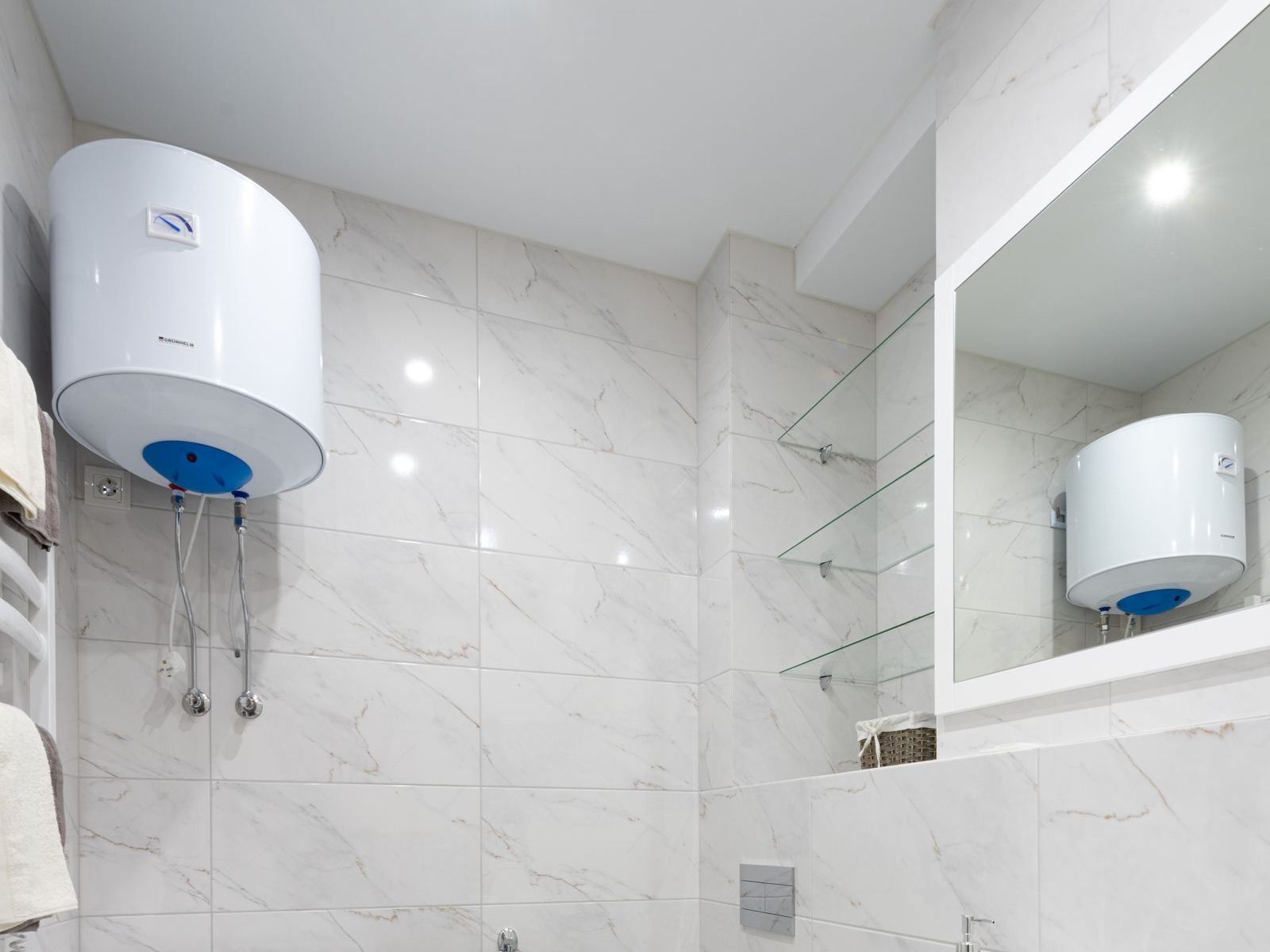
Signs You Need Electric Water Heater Services in Hammond
Most tanks announce trouble weeks or months ahead with rumbling noises, rusty water, or hot showers that keep getting shorter. If any of the following sound familiar, it's worth having the unit checked:
- A tank that has stopped heating completely
- Popping, sizzling, or crackling sounds from the tank
- A short burst of hot water, then nothing but tepid
- A burning smell or a discolored access panel near the thermostat
- The high-limit reset popping again after you push it
- Dangerously hot water, a sign a thermostat may be stuck
- Water dripping from an element gasket or pooling under the tank
- A circuit breaker for the heater that will not stay on
Small Symptoms, Big Consequences
Left alone, even minor symptoms like rumbling or temperatures that swing from hot to warm tend to mean the heater is working its way toward a breakdown. Don't wait. Get Hammond Water Heater on the phone at (219) 202-9978 and we'll get a technician scheduled.
Your Electric Water Heater Services Questions Answered
Why Hire a Professional for Electric Water Heater Services?
Consider the risks first. A standard electric water heater is a 240-volt appliance on a dedicated circuit, and both thermostats sit a finger's width from live terminals. A slipped screwdriver or a missed step in shutting off power can cause a serious shock or an arc flash. Then there is the diagnostic puzzle: no hot water can mean a tripped breaker, a tripped high-limit, a failed upper element, or a bad upper thermostat, and each part replaced on a guess costs time and money. Element replacement adds another trap, because an element powered before the tank is full burns out almost instantly.
Professional service gets you the right fix the first time and a safe heater afterward. Rather than guess, we meter each element and thermostat, check for shorts to the tank, and inspect every wire and terminal for heat damage. Every repair includes a proper drain and refill, followed by an amp-draw check once power returns. When replacement makes more sense, we confirm the breaker size and wire gauge match the new heater and install the expansion tank, drain pan, or seismic straps your code requires. The result is dependable hot water without surprises.
From Your Call to Hot Water
Our workflow is simple and thorough, so nothing gets missed between the fuel supply and the relief line. Here's the short version:
Meter-Based Diagnosis
Following safe electrical procedure, we meter the elements, thermostats, and reset switch and inspect the wiring, so we fix the actual failure.
Straight Answers & Firm Price
No surprises on the bill. We explain the fault, quote the fix up front, and let you know if replacement is the better value before you spend anything.
Element & Thermostat Repair
One visit usually does it. We replace the failed part, repair any heat-damaged wiring, and refill the tank completely before power goes back on.
Tested Before We Leave
Before we pack up, we watch the heater run, measure amp draw on each element, and confirm the thermostats hand off correctly.
Want a Professional Opinion?
Call Hammond Water Heater to talk through your situation with an experienced technician.
Tap to Call (219) 202-9978Simple Ways to Extend Your Water Heater's Life
A few preventive steps can help you avoid a cold shower or a wet floor down the road. Start with these practical measures our team relies on:
- Drain a few gallons from the bottom of the tank periodically to control sediment
- Make sure water flows steadily from a hot tap before the heater's power goes back on
- If the reset button trips, have it checked rather than pressing it over and over
- Ask for an anode rod check every few years, since the anode is what keeps the tank from rusting
- Consider a water softener if you have hard water, since it slows sediment and scale on the elements
- Choose a setting of about 120 degrees to balance comfort, safety, and operating cost
- Lift the T&P valve lever yearly to make sure it opens and reseats
DIY vs. Professional Electric Water Heater Services
A few tasks, like checking the temperature setting or lifting the relief valve lever to test it, are fine for homeowners, but most water heater work involves gas lines, venting, 240-volt circuits, or a tank full of scalding water, and that belongs with a professional. Here's how the two approaches stack up:
| Factor | Doing It Yourself | Professional Service |
|---|---|---|
| Diagnosis | Guess between elements, thermostats, and breaker | Resistance and ground tests find the cause |
| Shock Hazard | Risk of shock or arc at the thermostat | Circuit tested dead, then work begins |
| Draining & Refilling | Tank not fully refilled before power-up | Proper gasket seal and full refill |
| High-Limit Trips | Push reset and hope it holds | Reset stays set because the fault is gone |
| Sediment | Sediment left burying the lower element | Honest read on the tank's remaining life |
| Result | Temporary fix at best | Real fault repaired and tested |
Talk to Our Electric Water Heater Services Team
The sooner you call, the sooner the hot water is back. Reach Hammond Water Heater for fast service.
Call (219) 202-9978 NowCommunities We Cover
We bring electric water heater services to homes and businesses in town and across the nearby communities. Pick your area to see local details.